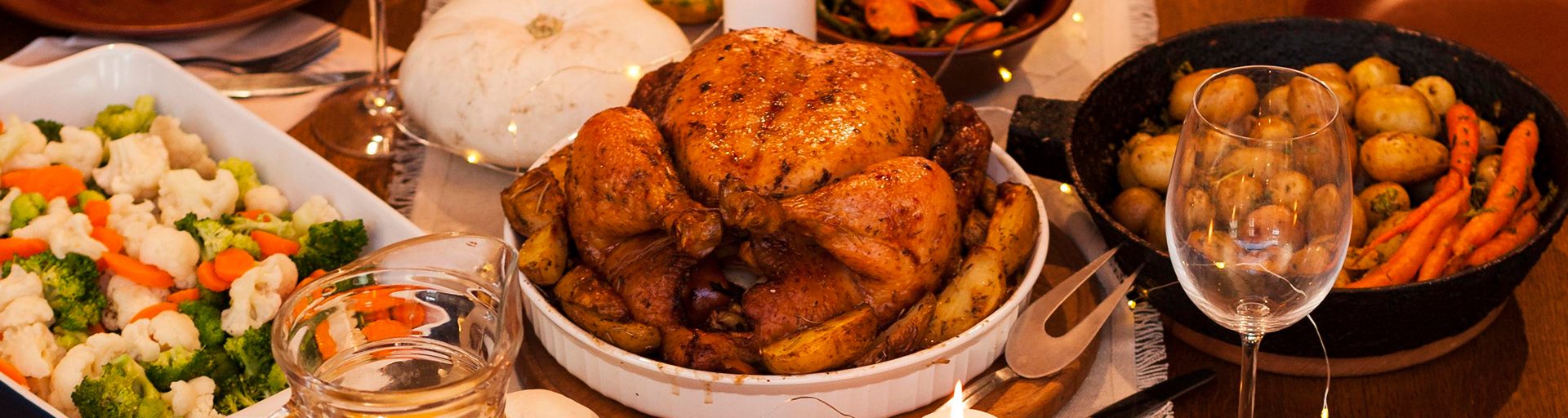
Chapter 2 – Food and Nutrition
Food is one of the most powerful tools available to support the body’s ability to fight disease. While no single food cures cancer, good nutrition can support the immune system, reduce inflammation, improve metabolic health, and help the body tolerate treatment more effectively.
This chapter introduces foods, eating patterns, and nutritional resources that may contribute to better overall health. My goal is not to tell you exactly what to eat, but to provide information that can help you make informed decisions about your own nutritional journey.
Recommended Resource
THE BIBLIO DIET
by Jordan Rubin and Dr. Josh Axe
www.jordanrubin.com/thebibliodiet
https://static1.squarespace.com/static/687ad6a96374fc3ec80de8ee/t/68c32ef9fcfdf97c6daf4aa2/1757622009349/Clean+Eating+Guide.pdf
The Biblio Diet, by Jordan Rubin and Dr. Josh Axe, combines biblical principles with modern nutritional science and offers practical guidance on food, fasting, meal planning, and healthy living. It is written especially for readers interested in a faith-based approach to nutrition.
Raw, unprocessed honey contains naturally occurring plant compounds, enzymes, and other substances that may have antioxidant and antimicrobial properties. When choosing honey, raw and minimally processed varieties may retain more of these naturally occurring compounds than highly processed honey.
Healing Leaves
The book contains a special chapter on “healing leaves,” drawing inspiration from Ezekiel 47:12 and Revelation 22:2, which speak of leaves being used for healing. These passages provide a beautiful Biblical picture of restoration and God’s provision.
The book discusses a variety of leaves that may be used to make teas, including mulberry, kiwi, kaffir lime, grape, oak, guava, moringa, and fig leaves. The authors’ Top Five Leaves are mango, olive, soursop, raspberry, and avocado.
https://healingleaves.com/collections/shop-all
These leaves may be available from local growers, specialty suppliers, or online sources. Before making tea from any leaf, be certain the plant has been correctly identified and is considered safe for consumption.
The book includes information on:
- Intermittent fasting approaches for different experience levels, including 12-, 16-, 20-, and 24-hour fasting periods.
- A daily eating plan designed to introduce a wider variety of nutritious foods.
- Guidance on choosing meats, vegetables, fruits, A2 dairy products, spices, salts, and healthy oils as part of a nutritious diet.
- Nutrition and wellness strategies that may support overall health during cancer care.
- Nutrition and lifestyle approaches that may support emotional well-being and mental health.
- Common foods and ingredients that may help support a healthy inflammatory response and normal immune function.
- An easy-to-follow 7-day meal plan, including a shopping list.
- Twelve biblically inspired recipes.
A2 Dairy Products
The Biblio Diet also discusses A2 dairy products and their potential digestibility for some people. The authors examine several characteristics to consider when choosing dairy products, including organic, A2, raw or unpasteurized, non-homogenized, grass-fed and pasture-raised, cultured or fermented, and whole-fat dairy. The book explains each of these characteristics and why the authors believe they may make a difference in a person’s diet.
FOODS that Promote Health & Reduce Cancer Risks
This food list is based on scientific studies reviewed by Dr. Ralph Moss, a science writer who has examined thousands of studies and research papers related to cancer and nutrition.
1. Extra Virgin Olive Oil (EVOO)
Extra virgin olive oil (EVOO) is one of the healthiest fats you can include in your diet. It is rich in polyphenols, naturally occurring plant compounds with antioxidant and anti-inflammatory properties that have been associated with numerous health benefits.
When selecting an olive oil, polyphenol content is one the most important factors to consider. Generally, higher polyphenol levels are associated with greater antioxidant activity and better protection against oxidation. Examples of brands known for relatively high polyphenol content include Graza, Koroneiki, and Terra Delyssa.
2. Green Tea
Green tea is recognized worldwide for its health-promoting properties. It contains a group of beneficial plant compounds called catechins, the most abundant and well-studied of which is epigallocatechin gallate (EGCG).
Among green teas, Matcha contains some of the highest concentrations of EGCG. Trader Joe’s Organic Green Tea is another excellent choice with a high polyphenol content. To help preserve EGCG, brew green tea at approximately 150°F (65°C) rather than with boiling water.
Although green tea is one of the richest natural sources of EGCG, berries, pomegranates, apples, grapes, pecans, and hazelnuts also contain beneficial polyphenols and catechins that can contribute to a healthy diet.
EGCG has received considerable scientific attention because of its antioxidant and anti-inflammatory properties. Laboratory and animal studies, along with some human research, suggest that EGCG may influence multiple biological pathways involved in cancer development and progression. Researchers have investigated its potential role in breast, prostate, lung, colorectal, skin, and several blood cancers.
For additional synergistic benefit, you may wish to experiment with adding a small amount of guajillo chili powder to your green tea. Some researchers and health advocates like Dr. Ralph Moss, PhD cited research that this combination may further enhance the potency and the health-promoting effects of green tea. If there is one natural compound that deserves “Rock Star” status in the battle against cancer, EGCG is certainly a strong contender. Suggested starting point: Approximately 12 ounces of green tea daily.
3. Turmeric / Curcumin
Curcumin stands out among natural compounds because of the broad range of potential health benefits being studied. Curcumin is the primary active compound found in the spice turmeric and has been extensively studied for its antioxidant and anti-inflammatory properties.
Chronic, low-grade inflammation is believed to contribute to the development of numerous diseases, including cancer, arthritis, obesity, diabetes, cardiovascular disease, and certain neurological disorders. In a 2018 review, S. C. Gupta and colleagues described inflammation as a common factor underlying many chronic diseases.
Research suggests that curcumin may influence multiple biological pathways involved in cancer development and progression. Some laboratory studies have shown that curcumin can affect at least eight metabolic pathways associated with cancer cell growth and survival.
One challenge with curcumin is that it is poorly absorbed by the body when taken alone. However, combining turmeric with ground black pepper, which contains piperine, has been shown to increase curcumin’s bioavailability dramatically—by approximately 20-fold in some studies.
Turmeric is easy to incorporate into soups, vegetables, rice dishes, smoothies, and many other foods, making it one of the simplest additions to an anti-inflammatory diet.
4. Vitamin D3
Vitamin D3 is produced naturally when the skin is exposed to sunlight and may also be obtained from certain foods and dietary supplements. It plays a vital role in immune function, bone health, and many cellular processes involved in maintaining good health.
Research has found associations between vitamin D status and certain cancer outcomes, while laboratory studies continue to investigate how vitamin D may affect cancer cell growth and other biological processes. Vitamin D also plays an important role in normal immune function, making adequate vitamin D an important part of overall health.
For many adults, a starting supplemental intake of 5,000 to 10,000 IU daily is commonly recommended by some integrative health practitioners, although individual needs vary. Some clinicians may recommend higher doses under medical supervision when vitamin D deficiency, active infections, or cancer are present.
A 25-hydroxy vitamin D blood test is the best way to determine your vitamin D status. Many integrative physicians recommend maintaining blood levels between 60 and 100 ng/mL, although recommended target ranges vary among healthcare providers. Vitamin D3 should be taken with Vitamin K2 to avoid too calcium in the blood stream and to help direct the calcium into the bones & teeth, not into the blood vessels and soft tissues.
Research continues to investigate whether maintaining adequate vitamin D levels before and during cancer treatment may be associated with better outcomes in some patients, including those receiving chemotherapy. https://www.thriftbooks.com/w/the-miraculous-results-of-extremely-high-doses-of-the-sunshine-hormone-vitamin-d3-my-experiment-with-huge-doses-of-d3-from-25000-to-50000-to-100000-iu-a-day-over-a-1-year-period_jeff-t-bowles/19291624/#edition=7971876&idiq=31610619
For a more in-depth understanding of Vitamin D3, consider these two excellent resources:
- The Vitamin D Solution (2010) by Michael F. Holick, PhD, MD
- The Miraculous Results of Vitamin D3 by Jeff T. Bowles https://jefftbowles.com/
5. Cruciferous Vegetables and Sprouts
Cruciferous vegetables such as broccoli, cauliflower, cabbage, Brussels sprouts, kale, and radishes contain some of the most powerful naturally occurring compounds known to support the body’s normal detoxification processes and promote healthy cellular function.
Among these, broccoli sprouts deserve special attention. They are easy to grow at home in a screen-covered canning jar on a windowsill. Simply rinse the seeds once or twice daily, and within three to four days you will have a fresh crop ready to eat.
Young sprouts contain many times more of certain beneficial phytochemicals than their mature counterparts. Broccoli sprouts are especially rich in sulforaphane, one of the most extensively researched plant compounds for its potential antioxidant, anti-inflammatory, and detoxification-supporting properties. Radish sprouts contain a related compound called sulforaphene, which has also attracted scientific interest for its potential health benefits. https://www.youtube.com/watch?v=YkjxKe3QWLY&t=30s
Some research suggests that sulforaphane may help the body eliminate certain environmental toxins, including compounds associated with air pollution and other chemical exposures. This is one reason broccoli sprouts have become increasingly popular among health-conscious individuals.
Whenever possible, eat sprouts fresh, since heat can reduce some of their beneficial compounds.
Additional Resources
Growing Broccoli Sprouts
- Organic broccoli seeds:
https://foodtolive.com/shop/organic-broccoli-seeds/
Videos
- Broccoli sprouts and health:
https://www.youtube.com/watch?v=8UHdCvawaTc - Sulforaphane and detoxification:
https://www.youtube.com/watch?v=JZaJTkGcDeM - Short overview:
https://www.youtube.com/shorts/0A7Yrx_9tsk
6. Probiotics and Fermented Foods
Probiotics and fermented foods play an important role in supporting a healthy gut microbiome—the billions of beneficial bacteria that live primarily in the intestines. A healthy and diverse microbiome contributes to digestion, nutrient absorption, immune function, and may influence inflammation throughout the body.
Excellent natural sources of probiotics include yogurt, kefir, sauerkraut, fermented pickles, kimchi, and kombucha. Many of these foods are easy to prepare at home.
Many nutrition experts believe that microbial diversity is more important than consuming large amounts of only one or two probiotic strains. Rotating a variety of fermented foods helps expose the digestive system to a broader range of beneficial bacteria.
Because a significant portion of the immune system is associated with the gastrointestinal tract, maintaining a healthy gut microbiome may support the body’s natural defenses and overall health.
7. Quercetin
Quercetin is a naturally occurring bioflavonoid (plant pigment) found in many fruits, vegetables, grains, and herbs. Rich sources include apples, onions, berries, kale, broccoli, capers, and leafy greens. It is well known for its antioxidant and anti-inflammatory properties and has been studied for its potential role in supporting cardiovascular health, immune function, and healthy aging.
Researchers have also investigated quercetin for its potential anticancer properties. Laboratory and animal studies suggest that quercetin may help protect cells from oxidative stress, reduce inflammation, influence cancer cell growth, and support normal immune function. Human research is ongoing to better understand its role in cancer prevention and treatment.
Some studies suggest that quercetin may help increase the bioavailability of EGCG found in green tea, potentially allowing more EGCG to remain available in the body. Gyokuro and matcha green teas are particularly rich sources of EGCG. Adding extra virgin olive oil to meals containing quercetin-rich foods may also enhance the absorption of certain beneficial plant compounds.
If you are taking blood-thinning medications or have a bleeding disorder, consult your healthcare provider before taking quercetin supplements.
8. Omega-3 Fatty Acids (EPA & DHA)
Omega-3 fatty acids are essential fats that play an important role in maintaining healthy cell membranes, reducing inflammation, supporting brain and heart health, and promoting normal immune function. The two most beneficial forms are EPA (eicosapentaenoic acid) and DHA (docosahexaenoic acid).
Excellent sources of omega-3 fatty acids include wild-caught salmon, mackerel, sardines, herring, cod, and albacore tuna. Plant-based sources include chia seeds, flaxseeds, and walnuts, although these foods contain ALA, a form of omega-3 that the body converts to EPA and DHA less efficiently.
A typical intake of 250 to 500 mg of EPA and DHA daily, or eating fatty fish two to three times per week, is often recommended to support overall health. The effectiveness of omega-3 supplements depends on both the purity of the product and the body’s ability to absorb these healthy fats.
A meta-analysis involving 26 studies and approximately 884,000 participants reported that higher omega-3 intake was associated with about a 14% reduction in the risk of breast cancers.
Maintaining a healthy balance between omega-6 and omega-3 fatty acids is also important. Many researchers recommend a ratio of approximately 4 parts omega-6 to 1 part omega-3 to help support a healthy inflammatory response. Unfortunately, the typical American diet averages closer to 15:1, favoring omega-6 fatty acids. This imbalance may contribute to chronic inflammation, which has been associated with many chronic diseases, including cancer.
9. Citrus Fruits, Modified Citrus Pectin (MCP), and Vitamin C
Citrus fruits are an excellent source of vitamin C, fiber, and a variety of beneficial plant compounds that support overall health. Oranges, lemons, limes, grapefruits, tangerines, and mandarins contain powerful antioxidants and flavonoids that help protect cells from oxidative stress and support normal immune function.
Modified Citrus Pectin (MCP)–see Chapter 4 is a specially processed form of citrus pectin that is more easily absorbed by the body than the pectin naturally found in citrus fruits. Researchers have studied MCP for its potential role in supporting healthy cell function and reducing the ability of certain cancer cells to spread. Laboratory and early clinical studies have investigated its potential usefulness in a variety of cancers, including breast, cervical, bone, brain, colon, pancreatic, liver, and stomach cancers. While these findings are encouraging, additional human studies are needed to better define its role in cancer care.
Vitamin C is well known for supporting the immune system, but its benefits extend far beyond immunity. It is essential for the production of collagen, helps protect healthy cells from oxidative damage, supports normal wound healing, and contributes to healthy blood vessels, skin, bones, and connective tissues. Research has also shown that vitamin C may help increase the excretion of arsenic and certain heavy metals from the body.
Good dietary sources of vitamin C include: citrus fruits, red bell peppers, Brussels sprouts, broccoli, strawberries, kiwi, and guava.
Many people choose to supplement with 1,000 to 2,000 mg of vitamin C daily, although individual needs vary. Because high doses may cause loose stools or diarrhea, many practitioners recommend using bowel (gut) tolerance as a practical guide.
The average daily amount of Modified Citrus Pectin (MCP) used in research and by many integrative practitioners is approximately 5 grams (5,000 mg), although dosage recommendations vary depending on the product and individual circumstances.
Natural citrus pectin is found primarily in the peel, seeds, and white pulp (pith) of citrus fruits.
Additional Resources
American Institute for Cancer Research
https://www.aicr.org/cancer-prevention/food-facts/oranges-phytocompounds-have-potential-to-protect-against-cancer/
Video
https://www.youtube.com/watch?v=_dzmFAjQyzY&t=154s&ab_channel=EcoNugenicsMarketing
10. Garlic
Garlic has been used for thousands of years as both a food and a medicinal herb. It contains numerous sulfur-containing compounds that have been studied for their antibacterial, antiviral, antifungal, anti-inflammatory, and antioxidant properties. Among these compounds, allicin is considered one of garlic’s most biologically active ingredients.
When garlic is crushed or chopped, an enzyme called alliinase converts alliin into allicin. To maximize the formation of allicin, allow freshly chopped or crushed garlic to sit for 10–15 minutes before cooking. High heat can reduce allicin production, so adding garlic near the end of cooking helps preserve more of its beneficial compounds.
Researchers have investigated garlic for its potential role in reducing the risk of several cancers, particularly those of the stomach, colon, esophagus, and colorectal. Laboratory and population studies suggest that garlic may help protect cells from oxidative stress, support healthy immune function, promote normal apoptosis (programmed cell death), and reduce chronic inflammation. While these findings are encouraging, additional high-quality human studies are needed to better define garlic’s role in cancer prevention and treatment.
In addition to its potential anticancer properties, garlic has been associated with supporting heart health, healthy blood pressure and cholesterol levels, and normal immune function.
Fresh garlic generally provides the greatest amount of beneficial sulfur compounds. Garlic is also available as aged garlic extract, garlic oil, garlic powder, and odor-controlled supplements, although the concentration of active ingredients varies considerably among products.
People taking blood-thinning medications such as warfarin (Coumadin®), apixaban (Eliquis®), rivaroxaban (Xarelto®), or clopidogrel (Plavix®), or those planning surgery, should consult their healthcare provider before taking high-dose garlic supplements because garlic may increase the risk of bleeding.
Additional Resources
Books
- Herbal Antibiotics – Stephen Harrod Buhner
Websites
- American Institute for Cancer Research https://www.aicr.org/cancer-prevention/food-facts/garlic/
- Memorial Sloan Kettering Cancer Center
https://www.mskcc.org/cancer-care/integrative-medicine/herbs/garlic
Videos
- Dr. William Li – Foods That Help Defend the Body
https://www.youtube.com/watch?v=wDUYJYVGK1g - NutritionFacts.org – Garlic and Health
NutritionFacts.org Garlic information
11. Nuts, Seeds, Legumes, and Whole Grains
Nuts, seeds, legumes, and whole grains are rich in fiber, vitamins, minerals, healthy fats, antioxidants, and plant compounds that support overall health. They are also excellent sources of protein and complex carbohydrates, providing steady energy while helping maintain healthy blood sugar levels.
Excellent choices include almonds, walnuts, flaxseeds, chia seeds, pumpkin seeds, oats, barley, quinoa, brown rice, lentils, black beans, kidney beans, chickpeas, and peas.
Research has shown that diets rich in these foods are associated with a lower risk of several chronic diseases, including heart disease, type 2 diabetes, and certain types of cancer. Their high fiber content helps support a healthy digestive system and gut microbiome, while many of their natural plant compounds have antioxidant and anti-inflammatory properties.
One particularly beneficial combination is whole grains and legumes. When eaten together, they provide a more complete amino acid profile than either food alone, creating a nutritional synergy that enhances the quality of plant-based protein while supplying abundant fiber, vitamins, and minerals.
Walnuts are an excellent source of plant based omega-3 fatty acids and polyphenols, while flaxseeds provide lignans and alpha-linolenic acid (ALA), compounds that have been studied for their potential role in supporting heart health and healthy hormone metabolism.
Including a variety of nuts, seeds, legumes, and whole grains as a regular part of your diet is one of the simplest and most effective ways to improve overall nutrition and support long-term health.
12. Herbs and Spices
Herbs and spices do much more than enhance the flavor of our food. They are rich sources of polyphenols, flavonoids, and other natural antioxidants that help protect cells from oxidative stress and support a healthy anti-inflammatory lifestyle.
Research has shown that many culinary herbs and spices contain biologically active compounds that may help support healthy cell function, promote normal apoptosis (programmed cell death), and assist the body’s natural defenses against chronic disease. While no single herb or spice is a cure for cancer, incorporating a variety of them into your daily diet is a simple and flavorful way to improve overall nutrition.
Some of the most beneficial herbs and spices include:
- Parsley – An excellent source of apigenin, a flavonoid that has been studied for its potential anticancer and anti-inflammatory properties.
- Rosemary – Rich in carnosic acid and rosmarinic acid, powerful antioxidants that have been investigated for their protective effects on healthy cells.
- Sage – Contains numerous antioxidant compounds and has traditionally been used to support cognitive function and overall health.
- Thyme – A rich source of thymol, a natural compound with antioxidant and antimicrobial properties.
- Oregano – Contains carvacrol and thymol, compounds that have demonstrated antioxidant and anti-inflammatory activity.
- Ginger – Rich in gingerols and shogaols, which have been widely studied for their anti-inflammatory properties. Ginger has also been studied for its ability to help reduce nausea, including nausea associated with chemotherapy.
- Cardamom – Provides antioxidant compounds and has been investigated for its potential health-promoting effects.
Fresh herbs are excellent additions to salads, soups, vegetables, and meat dishes, while dried herbs and spices can easily be incorporated into everyday cooking. Growing herbs such as parsley, rosemary, thyme, oregano, and sage indoors under grow lights or on a sunny windowsill provides a year-round supply of fresh, flavorful ingredients.
13. Maitake Mushrooms
Maitake mushrooms (Grifola frondosa) have been used for centuries in traditional Japanese and Chinese medicine and are among the most extensively studied medicinal mushrooms. They contain beta-glucans, naturally occurring polysaccharides that help stimulate important components of the immune system, including natural killer (NK) cells, macrophages, and T-cells.
One of the pioneers in Maitake research was Dr. Noriko Kodama, who conducted early clinical studies in Japan during the early 2000s. In a small, non-randomized case series published in 2002, the researchers reported encouraging results in some cancer patients receiving Maitake extracts. Cancer regression or significant improvement was observed in approximately: https://pubmed.ncbi.nlm.nih.gov/12126464/
- 58.3% of patients with liver cancer
- 68.8% of patients with breast cancer
- 22.5% of patients with lung cancer
More modest improvements (approximately 10% to 20%) were reported among patients with leukemia, stomach cancer, and brain cancer.
In a follow-up report published in 2003, Kodama observed that Maitake supplementation appeared to:
- Help reduce the spread (metastasis) of cancer.
- Lower levels of certain tumor markers.
- Increase the activity of Natural Killer (NK) cells in every patient studied.
- Support the body’s natural immune response against cancer.
These early findings suggest that Maitake mushrooms may help support immune function and complement conventional cancer treatment. However, larger, well-controlled human studies are still needed to determine the full extent of their effectiveness.
Additional Resources
Research
- Kodama H. (2002). Clinical studies on Maitake mushroom extracts.
- Kodama H. (2003). Follow-up observations on Maitake and immune function.
Books
- The Fungal Pharmacy – Robert Rogers
- Mycelium Running – Paul Stamets
Videos
- Paul Stamets – Medicinal Mushrooms and Immune Health https://www.youtube.com/watch?v=7agK0nkiZpA
- Dr. William Li – Foods That Help Support the Immune System https://www.youtube.com/watch?v=HKUrRrQjEKw
14. Lycopene (Tomatoes)
Lycopene is a naturally occurring carotenoid that gives tomatoes, watermelon, pink grapefruit, and guava their rich red color. It is one of the most powerful dietary antioxidants and has been extensively studied for its potential role in supporting overall health and reducing chronic inflammation.
Research suggests that lycopene may help protect cells from oxidative stress caused by free radicals and may help reduce inflammation—two processes that have been associated with the development of many chronic diseases, including cancer. Studies have investigated lycopene for its potential role in reducing the risk of several cancers, particularly prostate cancer, while also exploring possible benefits for breast, lung, stomach, and colorectal cancers. (Aggarwal, 2003; Goel, 2008).
One interesting fact about lycopene is that it becomes more readily absorbed when tomatoes are cooked. Combining cooked tomato products—such as tomato sauce, tomato paste, or stewed tomatoes—with extra virgin olive oil can further enhance lycopene absorption because lycopene is a fat-soluble nutrient.
For those who choose to supplement, typical lycopene dosages range from 20 to 40 mg daily, although some research studies have used higher amounts under medical supervision.
Additional Resources
Videos
- Dr. Jin W. Sung – Lycopene and Cancer Research
https://www.youtube.com/watch?v=1q4h0mdkX6k&t=16s&ab_channel=Dr.JinW.Sung - Dr. Eric Berg – Health Benefits of Lycopene
https://www.youtube.com/watch?v=uCjr_jRfNGY&ab_channel=Dr.EricBergDC
15. Chickpeas (Garbanzo Beans)
Chickpeas, also known as garbanzo beans, are among the most nutritious legumes available. They are an excellent source of plant-based protein, dietary fiber, vitamins, minerals, and beneficial phytochemicals that support digestive health, healthy blood sugar levels, and overall wellness.
Researchers have identified several naturally occurring compounds in chickpeas that have attracted attention for their potential anticancer properties. These include:
- Saponins – Plant compounds that laboratory studies suggest may help inhibit the growth and reproduction of certain cancer cells.
- Protease Inhibitors – Naturally occurring compounds that may help slow cancer cell division and interfere with enzymes (proteases) that some tumors use to invade nearby healthy tissue.
- Phytic Acid (Inositol Hexaphosphate or IP6) – A naturally occurring substance found in legumes, seeds, and whole grains that has been studied for its potential ability to slow tumor growth and support healthy cell regulation.
Laboratory research has also investigated whether certain naturally occurring compounds found in chickpeas may influence biological processes involved in cancer cell growth, invasion, and metastasis. Although these findings are interesting, additional human studies are needed to determine whether eating chickpeas or consuming their individual compounds has a meaningful role in cancer prevention or treatment.
Beyond their potential anticancer properties, chickpeas are rich in fiber, which supports a healthy gut microbiome and digestive system. They also provide important nutrients, including folate, iron, magnesium, potassium, and manganese, making them an excellent addition to a balanced diet.
Chickpeas are inexpensive, versatile, and easy to incorporate into meals. They can be enjoyed in soups, salads, stews, hummus, roasted snacks, and casseroles, making them one of the simplest ways to increase the nutritional value of your daily diet.
16. Pasture-Raised Meats, Eggs, Dairy, and Organic Foods
Whenever possible, I recommend choosing pasture-raised or grass-fed beef, pork, chicken, eggs, and dairy products. Animals raised on pasture generally consume a more natural diet, and some pasture-raised animal products may contain higher levels of omega-3 fatty acids and conjugated linoleic acid (CLA) than conventionally raised products.
Organic foods are also worth considering because they are produced under standards that limit the use of many synthetic pesticides and fertilizers. While no food is perfect, choosing high-quality foods whenever possible is one more way to support your overall health.
One local business that I have personally come to know and trust is:
The Organic Farm Store
Rubicon, Wisconsin
They offer a wide selection of:
- Pasture-raised beef
- Pasture-raised pork
- Pasture-raised chicken
- Farm-fresh eggs
- Dairy products
- Organic spices
- Organic coffee
- Many other wholesome food products
Website
https://www.backtothebeststore.com/
I have no financial relationship with this business nor do I benefit from any other items or products discussed on this website. I simply appreciate the quality of their products and the integrity of the people who operate it. If you live in southeastern Wisconsin, I believe they are well worth visiting.
17. Three Helpful Tools for Evaluating Foods and Making Informed Choices
Making informed food choices is easier when you have reliable tools to guide you. The following three resources can help you evaluate the nutritional quality of foods, monitor your metabolic health, and make better dietary decisions as part of an overall healthy lifestyle.
1. Keto-Mojo Device
The Keto-Mojo Device provides blood glucose and ketone monitoring systems that allow users to measure their metabolic status from home. These tools are especially popular among individuals following ketogenic or low-carbohydrate nutrition programs and can help monitor progress over time.
Website https://keto-mojo.com/keto-basics/
How-to Videos https://keto-mojo.com/how-to-videos/
2. NutriLiv
The NutriLiv app helps users evaluate foods by providing nutritional information that can assist in making healthier dietary choices. It is a convenient resource for comparing foods and planning meals that support overall health.
Website https://www.nutriliv.app/
3. Environmental Working Group (EWG)
The Environmental Working Group (EWG) provides valuable information on food quality, pesticide residues, consumer products, cosmetics, drinking water, and environmental health. Their resources—including the annual “Dirty Dozen” and “Clean Fifteen” lists—can help consumers reduce exposure to pesticide residues by making more informed produce selections.
Website https://www.ewg.org/
Synergistic Foods, Herbs, Spices, and Supplement Combinations
Increase Herb, Spice and Supplement Bio-Availability & Potency by using these Synergistic Anti-Cancer Combinations. The combinations listed below were drawn from research presented by Dr. Ralph W. Moss, PhD, in The Moss Report and the scientific studies referenced in his work.
There are numerous herbal and spice combinations that increase the strength of each herb, spice or supplement employed. Listed below are combinations of foods, herbs, spices, and natural compounds that researchers have investigated because they may work better together than individually. This concept is known as synergism, where the combined effect may be greater than the sum of the individual parts. This is because of the amazing number of digestive enzymes and metabolic pathways that are working in your body. https://mededucation.stanford.edu/wp-content/uploads/2024/01/FullSubwayMap_V1023_Web.pdf
The following information is intended as a research resource rather than a treatment recommendation. Most of the studies listed below represent laboratory, animal, or early human research. They are included to help readers explore the scientific literature and discuss promising options with their healthcare providers.
1. Apigenin from parsley and Curcumin in turmeric: These bind to tubulin, a protein in cancer cells & blocks their ability to reproduce. Tubulin is a protein that forms micro-tubules that are needed for cell structure, transport and division. This powerful combination disrupts tubulin formation and helps decrease the viability of cancer cells.
2. Berberine and Silymarin: This combination has shown potential for improving lipid (fat) metabolism and enhancing liver health as in non-alcoholic fatty liver disease.
3. EGCG in Green Tea and Caffeine: In green tea this combination can improve fat burning and metabolism to aid in weight control which is often an issue in cancers.
4. Curcumin, EGCG from green tea and Resveratrol: This group attacks neck and head cancer cells more vigorously together than separately suggesting their combination enhances their individual anticancer fighting abilities. The enhanced activity has been observed primarily in laboratory studies, not established clinical treatment of head-and-neck cancer.
5. Curcumin and Ursolic Acid: Studies have found that there is a synergistic effect with curcumin and ursolic acid obtained in large part in apple peels.
6. EGCG, Resveratrol, and Vitamin E in Breast Cancer: This combo demonstrates how anti-oxidants work more effectively than individually in neutralizing cell damage from oxygen.
7. EGCG and Curcumin Against Cancers: Their combined effectiveness in Leukemia, breast and lung cancer shows how these plant chemicals interact at the molecular level to disrupt cancer cell reproduction.
8. EGCG and Red Guajillo Peppers: The addition of red pepper increases the anticancer activity of EGCG in green tea. This demonstrates the possibilities of combining teas with herbs or spices for increasing their healing effects.
9. EGCG and Sulforaphane: These provide a powerful antioxidant effect. They work together to decrease inflammatory processes by adjusting anti-inflammatory genes.
10. Garlic and Vitamin C: This combination has been studied for its potential to improve heart health by decreasing blood pressure and arterial stiffness.
11. Ginger and Turmeric: Since both are anti-inflammatory, they may offer real benefits in any area where inflammation is an issue as in arthritis.
12. Lycopene and Olive Oil: Olive oil improves the absorption of lycopene and is a good example of how dietary fats enhance the availability of certain plant nutrients.
13. Lycopene and Vitamin E: In tomatoes and nuts, respectively, these work together to improve prostate health, showing the potential of dietary elements working together.
14. Omega-3 fatty Acids and Curcumin in Cancer Cell Apoptosis: Their combined effect dramatically increases programmed death or apoptosis again showing the potential of dietary ingredients to work together in disrupting cancer cell survival.
15. Omega-3 Fatty Acids and Poly-phenols: Found in fatty fish and their oils and certain plant based foods like extra virgin olive oil, these compounds work together to reduce inflammation and cell damage from oxygen aiding in heart health and brain function.
16. Probiotics and Prebiotics: This combo is known as Symbiotic. They combine to improve gut health by enhancing the survival and effectiveness of good gut bacteria that need that fiber and food to feed their growth. Most of the immune system originates in the gut.
17. Quercetin and Curcumin Against Cancer Cell Reproduction: Their cooperative blocking of cancer cell growth suggests an interaction that disrupts key growth networks in cancer cells.
18. Quercetin and EGCG in Prostrate Cancer: Together they stop cancer cells traits, invasion, and migration, indicating a cooperative effect on key networks involved in cancer’s growth.
19. Quercetin and Resveratrol in Cancer Prevention: This combination boosts each other’s anticancer effects, showing a potential for enhanced effectiveness in cancer prevention strategies.
20. Red Yeast Rice and an Asian Mushroom: The Taiwanese mushroom, Antrodia Cinnamomea, powerfully synergies with red yeast rice against aggressive prostrate cancer cells.
21. Resveratrol and Curcumin in Anti-Inflammation Responses: Their interaction enhances anti-inflammatory effects, which could be crucial in preventing inflammation related cancers.
22. Soy Isoflavones and Curcumin in Prostate Health: Compounds like genistein suppress prostate-specific antigen (PSA) production in prostrate cells suggesting a cooperative effect on prostate cancer prevention.
23. Sulforaphane and Soy Isoflavones in Breast Cancer: Their synergy is a powerful example of how combining plant chemicals can lead to more effective anticancer strategies than when used alone. This combination was nearly three times more effective than expected for additive effects, illustrating the power of cooperative interactions in improving anticancer effectiveness.
24. Sulforaphane and Maitake Mushrooms Extract
25. Sulforaphane, Quercetin and Green Tea Extract: These 3 have a super-additive effects on pancreatic cancer cells.
26. Turmeric and Black Pepper: Piperine in black pepper enhances the absorption of curcumin from the turmeric. This classic combo perfectly illustrates how certain combinations can improve nutrient uptake and bio-availability.
27. Vitamin D3 and Calcium in Bone Health: Research suggests that combining D3 & calcium is move effective in promoting health and preventing osteoporosis than either nutrient alone.
Botanicals and Natural Compounds Being Studied for Specific Cancers
The following botanicals and natural compounds are drawn from research discussed in THE MOSS METHOD by Ralph W. Moss, PhD, a science writer who began his career at Memorial Sloan Kettering Cancer Center and has written about cancer research for approximately 50 years. The studies cited in his book are identified by the lead author and year of publication.
Readers who wish to investigate these studies further can search PubMed: https://pubmed.ncbi.nlm.nih.gov/
Enter the lead author’s last name, publication year, and a relevant search term—for example, curcumin—to help locate the study.
IMPORTANT: The studies below vary considerably in their level of evidence. Many involve laboratory or animal research rather than clinical trials in cancer patients. Inclusion in this list does not mean that a substance has been proven to prevent or treat the cancer listed.
BLADDER CANCER Apigenin (Zhu 2013, Xu 2016), Berberine (Zhuo 2017), Chaga Mushrooms (Abugomaa 2023) Curcumin (Wang 2017, Liang 2017, Zhang 2018)
BRAIN CANCER Curcumin (Zhuang 2012, Gersey 2017) EGCG from Matcha Green Tea, (Zhai 2021), Resveratrol (Castino 2011, Jhaveri 2019) Sulforaphane (Bijangi-Vishehsaraei 2017)
BREAST CANCER Curcumin (Calaf 2018), EGCG/Matcha Green Tea (Drenkhahn 2013), Extra Virgin Olive Oil, EVOO (Cruz-Lozano 2019, La Rosa 2023), Honokiol (Sengupta 2017), Luteolin (Sun 2015), Piperine (Kakarala 2010) Quercetin (Li 2018), Resveratrol (Paney 2011), Soy Isoflavones (Pan 2012) Sulforaphane (Prud’homme 2012)
CHRONIC LYMPHOCYTIC LEUKEMIA Bitter Melon/Cucurbitacin
(Hsu HS2011a), Blue Green Algae (Merino 2020), Genistein (Fan p2020, Fu Z 2020) Resveratrol (Pinarli 2013) Silibinin/Milk Thistle (Song X 2022), Sulforaphane (Kallifatiidis 2011, Lin 2012, Labsch 2014, Wang F 2022)
COLORECTAL CANCER Artemisinin (Li 2007), Ashwagandha (Choi 2015, Kodura 2010, Bonandi 2021), Curcumin (Rhamasami 2015, Khan 2021)
EGCG/Matcha Green Tea (Sharma 2019), Honokiol (He 2013), Quercetin (Wang 2024), Resveratrol (Sinha 2020) Soy Isoflavones (Patel 2018) Sulforaphane (Wang M 2024), Ursolic Acid (Liao 2023)
FEMALE GENITAL TRACT Apigenin (Luo 2019), Berberine (Chu 2014), Curcumin (Feng 2014), EGCG/Matcha Green Tea (Nagini 2019)Luteolin (Imran 2019), Resveratrol (Frazzi 2017), Sulforaphane (Cheng 2016, Shoaib 2023)
KIDNEY AND PELVIS CANCERS Apigenin (Meng 2017), Berberine
(Naveen 2016), Curcumin (Gong 2021), EGCG/Matcha Green Tea (Lyu 2022) Luteolin (Imran 2019) Resveratrol (Li 2016)
LUNG CANCER Apigenin (Li 2021), Artemisinin (Tong 2016), Baicalein (Gao 2010), Curcumin (Baharuddin 2016, Abudul Satar 2021), EGCG/Matcha Green Tea, (Zhu J 2017), Milk Thistle/Silymarin (Corominas-Faja 2013)
Quercetin (Hsu HS 2011b), Resveratrol (Eroglu 2020) Soy Isoflavones (Fu 2020), Ursolic Acid (Chen Q 2020)
MELANOMA/SKIN CANCER AND MULTIPLE MYELOMA>> PLASMA CELLS>> A TYPE OF WHITE BLOOD CELL CANCER Berberine (Shah 2022), Curcumin (Srivastava 2019, Xu 2018, Zheng 2018), EGCG/Matcha green tea (Fujiki 2018), Luteolin (Zhou W 2014) Mangosteen (Joehrer 2021, Obolskiy 2009) Parthbenolide (Sztiller-Sikorska 2020), Quercetin (Biswas 2022), Resveratrol (Gong 2020), Soy Isoflavones (Huang 2014), Sulforaphane (Brunelli 2010, Jakubikova 2011) Vitamin D3
NON-HODGKIN LYMPHOMA Apigenin (Ghanbari 2023) Berberine (Zhao 2021), Curcumin (Li 2018), EGCG/Matcha Green Tea (Wang 2015), Luteolin (Tsai 2016), Resveratrol (Bhaskara 2020)
OVARIAN CANCER, Berberine (Jin 2015, Cheng CS 2022), Curcumin (Liu X 2023, Yallapu 2015), EGCG/Matcha Green Tea (Bae 2017, Luo 2013, Lin J 2017), Indole-3-Carbinol (Firestone 2003), Lycopene (Sahin 2017, Holzapfel 2017), Quercetin (Chen S2012, Wang 2018), Resveratrol (Tang 2013)
PANCREATIC CANCER Apigenin (Ujiki 2006, Tsouflas 2001, Rinkenbaugh 2016), Boswellia Serrata/Frankincense (Ammon 2019), Curcumin (Feng 2014), EGCG/Matcha Green Tea (Tang 2014, Kciuk 2023), Luteolin (Huang X 2015, Meerson 2021) Resveratrol (Florio 2023), Sulforaphane (Li 2016)
PROSTATE CANCER Curcumin (Choi 2010, Sha 2016, Vatankhah 2022), EGCG/Matcha Green Tea (Tang 2010, Singh 2012), Honokiol (Crane 2009), Luteolin (Tsai 2016), Lycopene (Palozza 2010) Piperine (Makhov 2012, Samykutty 2013), Resveratrol (El-Benhawy 2011), Soy Isoflavones (Zhang L 2012), Sulforaphane (Li 2015) Withaferin A (Moustafa 2022)
Viewing for further information
Preview YouTube video Galectin-3 and Modified Citrus Pectin
Preview YouTube video The Benefits of Lycopene